


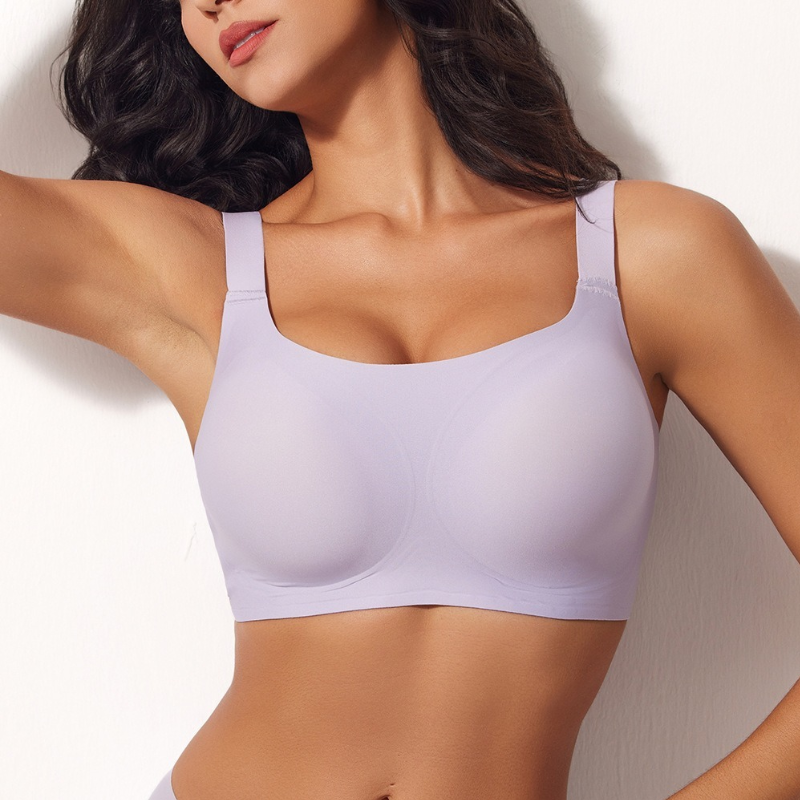
When it comes to finding the perfect bra, we’re often faced with endless options—push-up, wireless, full-coverage, and more. But one key distinction that often flies under the radar is the difference between a bonding bra and a sewn bra. You might have heard the term “sewn bra” thrown around, but how does it stack up against the everyday bras we know and love? Today, we’re breaking down the key comparisons, highlighting their unique perks, and helping you figure out which one deserves a spot in your lingerie drawer. First Things First: What’s a Bonding Bra vs. a Sewn Bra? Let’s start with the basics to avoid any confusion. A Bonding bra (often referred to as a “cut-and-sew” or “molded bra” in some contexts, but we’ll keep it simple here) is the standard style most of us wear daily. It’s typically made by cutting fabric pieces—like the cups, band, and straps—and assembling them with basic stitching, often using machines for speed and efficiency. These bras come in all shapes and sizes, from lacy demi-cups to sports bras, and are designed for accessibility and affordability. A sewn bra, on the other hand, takes craftsmanship to the next level. Also called a “hand-sewn bra” or “artisanal sewn bra,” it’s constructed with meticulous stitching—sometimes entirely by hand, or with a combination of machine and hand sewing. The key here is precision: every seam, dart, and stitch is intentional, with extra attention paid to how the fabric lays against the skin, how the cups hold shape, and how the band supports without digging in. Sewn bras are often associated with higher quality, luxury lingerie, but they’re not just for special occasions—many are designed for everyday wear, too. The Ultimate Comparison: Bonding Bra vs. Sewn Bra To help you see the differences clearly, let’s break down the most important factors—craftsmanship, comfort, fit, durability, style, and value—and how each bra type measures up. 1. Craftsmanship & Attention to Detail Bonding Bra: Mass-produced bonding bras prioritize efficiency. The stitching is functional but often minimal—think straight seams that hold the pieces together, but not much more. Details like lace trim or decorative stitching are usually added as an afterthought, and there’s less focus on refining small details (like smoothing out seam allowances or reinforcing high-tension areas). Sewn Bra: This is where sewn bras shine. Craftsmanship is at the core—sewers take the time to finish seams neatly (no scratchy raw edges!), reinforce straps and band closures, and tailor the cups to follow the natural curve of the breast. Hand-sewn details (like invisible stitching or hand-tacked lace) are common, making the bra feel more like a custom piece than a mass-produced item. Even machine-sewn sewn bras have far more precise stitching than regular bras, with every detail designed to enhance both function and comfort. 2. Comfort & Wearability Bonding Bra: Comfort varies widely with regular bras. Some budget-friendly styles can feel scratchy from rough seams, or the cups might be stiff (especially molded underwire styles) and dig into the skin after hours of wear. The band might stretch out quickly, leading to slipping or tightness, and straps can leave indentations if they’re not properly reinforced. Sewn Bra: Comfort is non-negotiable with sewn bras. The neat, finished seams eliminate scratchiness, and the fabric is often chosen for its softness and breathability (think high-quality cotton, silk, or microfiber). The cups are tailored to fit the breast’s natural shape, so there’s no gaping, pinching, or flattening—they hug the body without feeling restrictive. The band is reinforced with extra stitching, so it stays supportive without digging in, and straps are often wider or padded for added comfort, even on days when you’re wearing the bra from morning to night. 3. Fit & Support Bonding Bra: Regular bras are made to fit standard size ranges, which means they might not accommodate unique body shapes (like uneven breast sizes, fullness at the top or bottom, or a narrow/wide band). Molded cups can be rigid, so they don’t adjust to your natural shape, and underwires might pop out or dig into the ribcage over time. Support is often basic—enough for everyday wear, but not always ideal for larger busts or active days. Sewn Bra: Fit and support are where sewn bras truly stand out. Because of the precise craftsmanship, sewn bras are often available in more detailed size ranges (including half-cups, full-cups, and custom sizes) to fit every body type. The cups are shaped to contour to your breasts, providing targeted support—whether you need lift, full coverage, or a natural shape. Underwires (if used) are encased in soft fabric and tailored to follow the underbust curve, so they don’t dig or pop out. The reinforced band and straps distribute weight evenly, reducing strain on the shoulders and back—making sewn bras a game-changer for larger busts (D cups and above) who struggle with support in regular bras. 4. Durability & Longevity Bonding Bra: Regular bras are designed for affordability, which often means lower-quality materials and stitching. The band stretches out quickly (especially if it’s made with cheap elastic), straps fray, and seams can come undone after a few washes. Most regular bras last 3–6 months with regular wear before they start to lose shape and support. Sewn Bra: Sewn bras are built to last. The high-quality materials (think thick, durable elastic, premium fabrics, and strong thread) and reinforced stitching mean they hold their shape wash after wash. The seams don’t fray, the band stays supportive, and the cups retain their contour—even after years of wear. A well-made sewn bra can last 1–2 years (or longer!) with proper care, making it a better long-term investment than a regular bra that needs frequent replacing. 5. Style & Versatility Bonding Bra: Regular bras win when it comes to variety and affordability. You can find them in every style—lace, satin, sports, push-up, wireless—and at every price point. They’re perfect for everyday wear, special occasions, or pairing with specific outfits (like a strapless dress or low-back top). The downside? Many regular bras sacrifice style for function, with basic designs that don’t feel very luxurious. Sewn Bra: Sewn bras are often more stylish and luxurious, thanks to their attention to detail. Hand-sewn lace, delicate embroidery, and smooth, seamless finishes make them feel like a treat to wear—even if no one else sees them. They’re available in classic styles (like full-coverage, balconette, and wireless) that never go out of fashion, and their tailored fit means they look sleek under clothing (no lumps or bumps from poorly placed seams!). While they might not have the same variety as regular bras, the styles they do come in are timeless and versatile. 6. Value & Price Bonding Bra: Regular bras are more affordable upfront—you can find basic styles for $10–$30, and even higher-quality regular bras usually top out at $50–$70. This makes them a great option if you’re on a budget or need to stock up on everyday bras quickly. The downside is that they need to be replaced more often, so over time, they might end up costing more than a sewn bra. Sewn Bra: Sewn bras are more expensive upfront—most range from $80–$200 (or more for custom hand-sewn styles). This is because of the high-quality materials and labor-intensive craftsmanship. But when you factor in their longevity (1–2 years vs. 3–6 months for a regular bra), they’re actually a better value in the long run. They also save you money on replacements, and their superior comfort and support mean you’ll wear them more often—so you get more use out of each bra. So, Which One Should You Choose? There’s no “one-size-fits-all” answer here—it depends on your needs, budget, and priorities. Here’s a quick guide to help you decide: Choose a Bonding Bra If: You’re on a budget, need a variety of styles for different outfits, or don’t mind replacing your bras every few months. Regular bras are perfect for everyday wear, especially if you have a smaller bust (A–C cups) that doesn’t need heavy support. Choose a Sewn Bra If: Comfort, fit, and durability are your top priorities. Sewn bras are ideal for larger busts (D cups and above) that need targeted support, anyone who hates scratchy seams or ill-fitting cups, or anyone who wants to invest in high-quality lingerie that lasts. They’re also great if you prefer classic, luxurious styles that feel special.
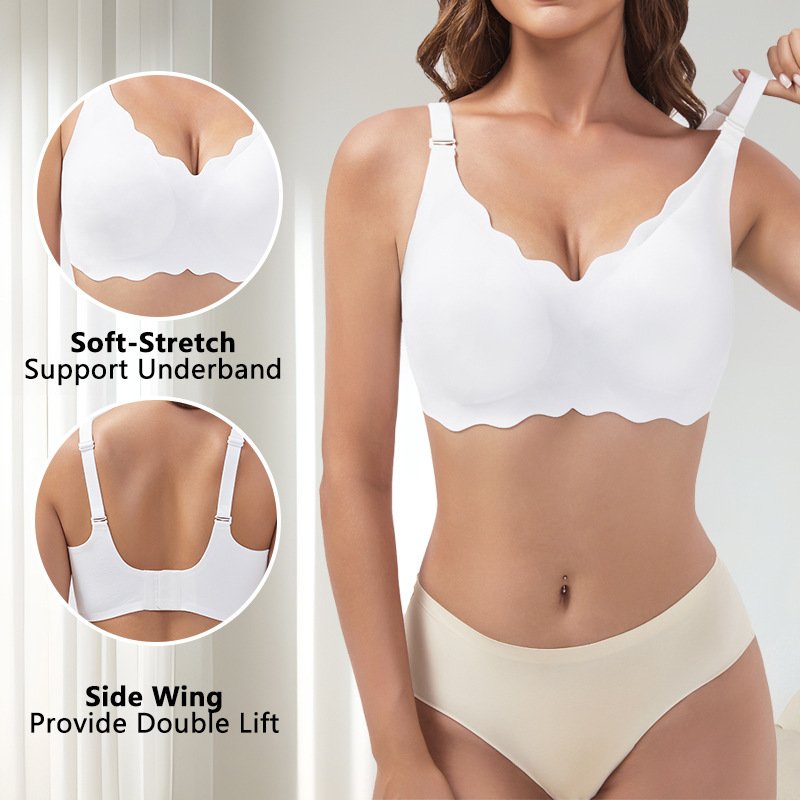
We’ve all faced the struggle: slipping into a sleek dress, a form-fitting top, or a delicate blouse, only to have bra straps, seams, or edges peek through. It ruins the clean line of your outfit and leaves you feeling self-conscious. Enter the bonding bra—a game-changing undergarment designed to disappear under even the trickiest fabrics while delivering reliable support. But what exactly is a bonding bra, and how does it differ from your everyday bra? Let’s dive in. The Definition of a Bonding Bra A bonding bra (also known as a sticky bra, adhesive bra, or seamless bonding undergarment) is a type of bra engineered for invisibility, adhesion, and seamless integration with your outfit. Unlike traditional bras with elastic bands, adjustable straps, or bulky hardware, bonding bras rely on skin-friendly adhesive materials, seamless construction, and contouring designs to stay in place and avoid visible lines. Its core purpose is to provide lift and coverage without compromising the aesthetic of tight, thin, or revealing clothing—making it a staple for special occasions and everyday stylish looks alike. Not all bonding bras are created equal: some are strapless and adhesive, while others feature convertible straps or full-back designs with bonded edges (no raw seams). What unites them is their focus on “disappearing” under clothing and adapting to diverse outfit needs. Key Features of a High-Quality Bonding Bra 1. Skin-Friendly Adhesive (for Sticky Styles) For adhesive bonding bras, the glue is make-or-break. High-quality options use medical-grade, hypoallergenic adhesive that sticks firmly to clean, dry skin without irritation. It should stay in place through movement, sweat, and extended wear (4–8 hours) but remove easily without pulling or leaving residue. Avoid bras with cheap adhesive—they may slip, cause redness, or damage sensitive skin. 2. Seamless & Bonded Edges Whether adhesive or strap-equipped, bonding bras feature “bonded” edges (created by heat-sealing fabric layers instead of stitching) to eliminate bulky seams. This ensures no lines show through thin fabrics like silk, lace, or spandex. The edges should be thin and tapered, so they lie flat against your skin and blend seamlessly. 3. Contoured Cups for Lift & Coverage Bonding bras aren’t just about invisibility—they need to support and shape your breasts. Look for contoured, padded (or lightly padded) cups that provide natural lift without adding bulk. Some styles have underwire (encased in seamless fabric) for extra support, while wireless options offer comfort for smaller busts. The cups should fully encase your breasts to avoid spillage, just like a well-fitted traditional bra. 4. Versatile Design for Outfit Adaptability The best bonding bras adapt to different necklines and silhouettes. Common styles include: strapless adhesive (for off-the-shoulder tops), convertible straps (adjustable to halter, racerback, or strapless), and full-back bonded bras (for low-back dresses). Some even come with reusable adhesive pads or removable straps to customize the fit for any outfit. 5. Breathable & Durable Fabric Fabric matters for comfort, especially for all-day wear. Opt for breathable materials like microfiber, modal, or lace-lined cups that wick moisture and prevent overheating. For reusable adhesive bras, the fabric should be durable enough to withstand multiple wears (with proper care) without losing shape or adhesive strength. When to Wear a Bonding Bra Bonding bras are a lifesaver for outfits where traditional bras would ruin the look. Here are the top scenarios to reach for one: – Sleek & Tight Clothing: Bodycon dresses, skinny tops, or spandex leggings—any piece where seams or straps would be visible. – Off-the-Shoulder/Strapless Styles: Wedding dresses, cocktail dresses, or casual off-shoulder blouses—bonding bras provide support without competing with the neckline. – Low-Back or Open-Back Outfits: Convertible or low-back bonding bras stay hidden while keeping you supported. – Thin or Sheer Fabrics: Silk, chiffon, or lace tops—seamless bonding edges ensure no lines show through. – Special Occasions: Weddings, proms, or parties—where you want to look polished and avoid adjusting your bra all night. How to Choose the Right Bonding Bra for You 1. Match to Your Bust Size: Adhesive bonding bras work best for A–C cups—they rely on skin contact for support, so larger busts (D+) may need strapless bonded bras with underwire or convertible straps for extra lift. Look for “full-bust friendly” labels if you’re a D cup or above. 2. Consider the Outfit First: For off-the-shoulder looks, go for a strapless adhesive style. For low-back dresses, choose a bonding bra with a low-back design or removable straps. For everyday tight tops, a full-back bonded bra with thin, convertible straps is versatile. 3. Prioritize Skin Safety: If you have sensitive skin, test a small patch of the adhesive on your arm before wearing. Opt for hypoallergenic, latex-free options to avoid irritation. 4. Check Reusability: Disposable adhesive bras are great for one-time events (like weddings), while reusable ones (with washable adhesive) offer better value for frequent wear. Follow care instructions—hand wash with mild soap and air dry to preserve adhesive strength. 5. Test for Fit: Just like traditional bras, bonding bras come in sizes. Try it on with your outfit before the event to ensure it stays in place, provides enough coverage, and doesn’t roll or slip. Common Mistakes to Avoid With Bonding Bras Don’t let these errors ruin your look or comfort: – Wearing on Moist or Oily Skin: Adhesive needs clean, dry skin to stick. Avoid lotion, oil, or perfume on your chest before wearing—this causes slipping. – Choosing the Wrong Size: A too-small bonding bra will squeeze and create bulges; too large will slip and lack support. Stick to your usual bra size (or check the brand’s size chart—sizing can vary). – Overlooking Support for Style: Don’t sacrifice support for invisibility. If you have a larger bust, skip flimsy adhesive bras—opt for structured bonded styles with underwire. – Reusing Disposable Bras: Disposable adhesive bras lose their stickiness after one wear—reusing them increases the risk of slipping and skin irritation. Final Thoughts A bonding bra is more than just an undergarment—it’s a styling tool that lets you wear your favorite outfits with confidence, without compromising on support or comfort. Whether you’re dressing up for a special occasion or elevating your everyday look, the right bonding bra will disappear under your clothes and keep you feeling secure all day long.
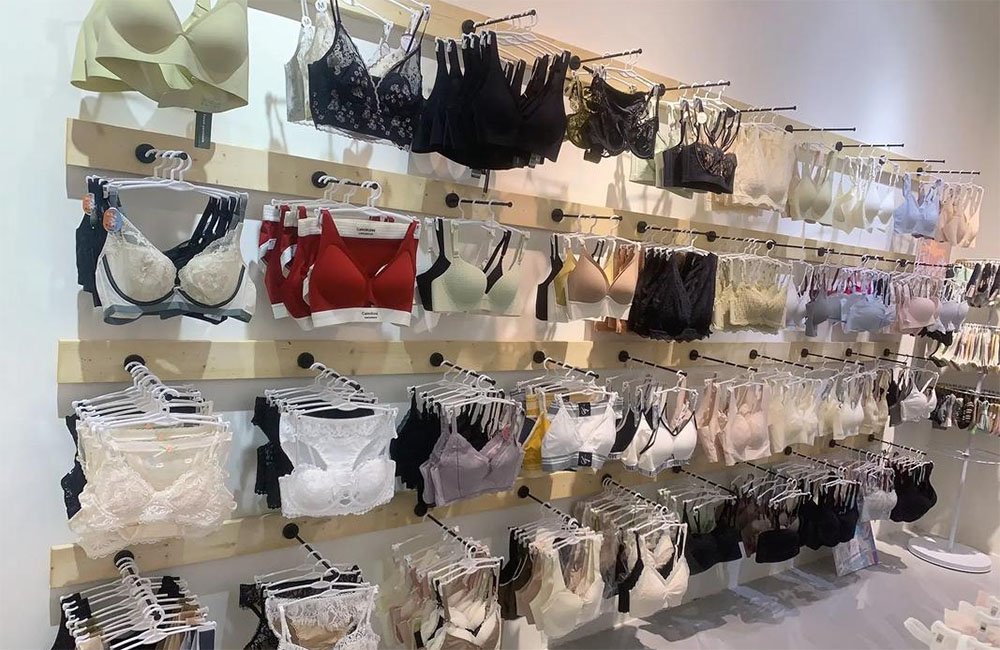
If you’ve ever spent hours in a lingerie store, squeezing into ill-fitting bras that dig, gap, or fail to support—you’re not alone. 80% of women wear the wrong bra size, according to lingerie industry studies. But what if there was a solution that skipped the “one-size-fits-none” approach entirely? Enter custom bra factories—where every stitch, strap, and cup is tailored to your body. Today, we’re pulling back the curtains on our workshop to show you how we turn “uncomfortable” into “perfectly yours.” Step 1: The Science of a Perfect Fit (It Starts With Listening) At our factory, customization begins long before a needle hits fabric. Every client starts with a 30-minute fitting session—either in-person or via our virtual 3D scanning tool (ideal for remote customers!). Our fit experts don’t just take measurements (band size, cup depth, shoulder width, and even underbust curve—yes, that matters!); they ask questions: Do you prefer more coverage for daily wear? Do you need extra support for workouts? Have you had trouble with straps slipping in the past? Last month, a client named Mia shared she’d struggled with bras since pregnancy—her ribcage had changed shape, and standard sizes left her with painful indentations. After our scan, we adjusted her band tension and added a soft, stretchy underband liner. “I forgot bras could feel this invisible,” she told us later. That’s the magic of custom: it’s not just about size—it’s about your story. Step 2: Fabrics That Feel Like a Second Skin (No Compromises) Walk through our factory, and you’ll find shelves lined with fabrics handpicked for comfort, durability, and style. We avoid scratchy elastics and synthetic materials that trap sweat—instead, we use OEKO-TEX® certified cotton for breathability, modal blends for softness, and reinforced lace that’s pretty and sturdy. For clients with sensitive skin, we offer hypoallergenic options; for those wanting a luxury touch, we have silk-cotton mixes that feel indulgent yet practical. And here’s the best part: you choose! Want a nude bra with delicate floral lace for work, or a bold black one with mesh panels for special occasions? Our design team helps you mix and match textures, colors, and details to match your taste. Step 3: Craftsmanship That Takes Time (And Care) Mass-produced bras are made in minutes—but a custom bra? It takes 4–6 hours of skilled work. Our seamstresses have an average of 10+ years of experience, and they treat each bra like a masterpiece. They hand-stitch cup seams to ensure a smooth fit against your chest, adjust strap lengths to your shoulder slope, and test the underwire (yes, we bend and flex it!) to make sure it never pokes. We also believe in transparency: every client gets a “build update” with photos—so you can see your bra being cut, sewn, and finished. Last week, a bride-to-be named Lila cried when she saw her custom ivory lace bra: “It’s exactly what I imagined, but better.” Moments like that make the extra time worth it.
When launching an underwear brand or scaling up production, partnering with the right factory is a make-or-break decision. Underwear, as a intimate product, demands strict standards for comfort, quality, and safety—factors that directly impact customer trust and brand reputation. With countless manufacturers in the market, separating reliable partners from mediocre ones can be overwhelming. This guide breaks down the key criteria to evaluate, practical steps to take, and red flags to avoid, helping you find a factory that aligns with your brand’s goals. 1. Evaluate Production Capacity: Match Scale to Your Needs Not all factories are built to handle the same volume or product type. Before reaching out, clarify your production requirements: Do you need small-batch samples for testing, or large-scale orders for retail? Does your line include basic cotton briefs, or complex designs like seamless sportswear or lace bras? Check production volume flexibility: A good factory will accommodate your current needs while having room to grow. For example, if you’re a startup planning 500-unit initial runs, avoid factories that only accept 10,000+ orders—they may cut corners on small batches or charge exorbitant fees. Conversely, if you’re a established brand needing 50,000 units monthly, ensure the factory has enough sewing lines, machinery, and labor to meet deadlines. Specialization matters: Look for factories with expertise in your product category. A factory that excels at men’s boxers may struggle with the intricate stitching of women’s push-up bras. Ask for their portfolio: Have they worked with brands similar to yours? Do they have experience with your desired fabrics (e.g., organic cotton, modal, or moisture-wicking spandex)? Verify lead times: Reliable factories will provide clear, realistic timelines—from sample approval to bulk delivery. Be wary of overly short lead times (they often mean rushed production) or vague promises. For reference, most small-batch orders (500-2,000 units) take 4-6 weeks, while large orders may take 8-12 weeks. 2. Prioritize Quality Control: The Non-Negotiable Standard Underwear’s durability (e.g., no frayed seams after washes) and safety (e.g., non-toxic dyes) are non-negotiable. To assess a factory’s quality standards: Request third-party certifications: Reputable factories will hold certifications like OEKO-TEX® (ensures no harmful substances in fabrics), GOTS (for organic textiles), or ISO 9001 (quality management systems). These certifications are not just logos—they require regular audits, so they’re a strong indicator of consistency. Inspect samples thoroughly: Order 2-3 samples of your top designs and test them rigorously. Check for: Even stitching (no loose threads or skipped stitches). Secure elastic (does it stay in place after stretching, or does it snap?). Fabric quality (does it pill after gentle washing? Is it soft against the skin?). Sizing accuracy (do samples match your size chart, or are there inconsistencies?). Ask about their QA process: A reliable factory will have a structured quality control workflow. For example: Do they inspect fabrics upon arrival? Do they check 100% of finished products, or just a random sample? What happens if a batch fails inspection—will they redo it at their cost, or pass the expense to you? 3. Assess Design and R&D Support: Beyond Basic Production Great underwear combines functionality with style. If your brand relies on unique designs (e.g., innovative waistbands, sustainable materials), choose a factory with strong R&D capabilities: Check if they offer design assistance: Many factories have in-house pattern makers or designers who can refine your sketches, suggest fabric improvements, or help optimize fit. For example, if your initial bra design causes discomfort, a skilled factory can adjust the underwire placement or strap width. Inquire about material innovation: Sustainable and tech-driven fabrics (e.g., recycled polyester, anti-microbial fibers) are growing trends. Does the factory have access to these materials? Can they source eco-friendly alternatives if your desired fabric is unavailable? Test their prototyping speed: The faster you can iterate on samples, the sooner you can launch. Ask: How long does it take to create a first sample? Can they accommodate 2-3 rounds of revisions without delaying the timeline? 4. Review Communication and Customer Service: Avoid Costly Misunderstandings Poor communication with a factory can lead to disasters—e.g., wrong fabric colors, missed deadlines, or misaligned expectations. To gauge their service quality: Test response times: Reach out with questions (e.g., “Can you provide a quote for 1,000 organic cotton briefs?”) and note how quickly they reply. A reliable factory will respond within 24-48 hours, even for initial inquiries. Avoid factories that take days to reply or give vague answers. Check language compatibility: If you don’t speak the factory’s local language (e.g., Mandarin for Chinese factories), ensure they have English-speaking account managers. Misinterpretations of “soft pink” or “high-waisted” can ruin an entire batch. Ask for references: Request contact information for 2-3 of their current clients (preferably brands similar to yours). Call or email these references to ask: Does the factory meet deadlines consistently? How do they handle mistakes (e.g., wrong sizes, defective products)? Is their communication clear and proactive? 5. Consider Ethical and Sustainable Practices: Align with Brand Values Today’s consumers care deeply about how products are made. If sustainability or ethical labor is part of your brand identity, verify the factory’s practices: Audit labor conditions: Ask if the factory provides fair wages, safe working environments, and complies with local labor laws (e.g., no child labor, reasonable working hours). If possible, request a virtual or in-person tour of the facility—you can observe working conditions firsthand. Check sustainability efforts: Does the factory minimize waste (e.g., recycling fabric scraps)? Do they use eco-friendly dyes or water-saving production processes? Avoid factories that claim to be “sustainable” but can’t provide concrete examples (e.g., “We recycle 80% of our water” vs. “We care about the environment”). Be cautious of “too good to be true” prices: Extremely low quotes often mean cutting corners—e.g., underpaying workers, using low-quality materials, or skipping safety tests. While cost is important, prioritize value over the cheapest option. Final Step: Start Small, Then Scale Once you’ve narrowed down 2-3 factories, don’t jump into a large order immediately. Start with a small batch (e.g., 500 units) to test their performance. This allows you to: Verify if their production matches the sample quality. Assess their adherence to deadlines. Test how they handle post-delivery issues (e.g., a few defective units). If the small batch goes smoothly, you can gradually increase order sizes and build a long-term partnership. Conclusion Choosing the right underwear factory is an investment in your brand’s success. By focusing on production capacity, quality control, design support, communication, and ethical practices, you can avoid costly mistakes and find a partner that grows with you. Remember: A reliable factory isn’t just a supplier—they’re a collaborator who helps turn your vision into high-quality products that customers love.
- 1
- 2