


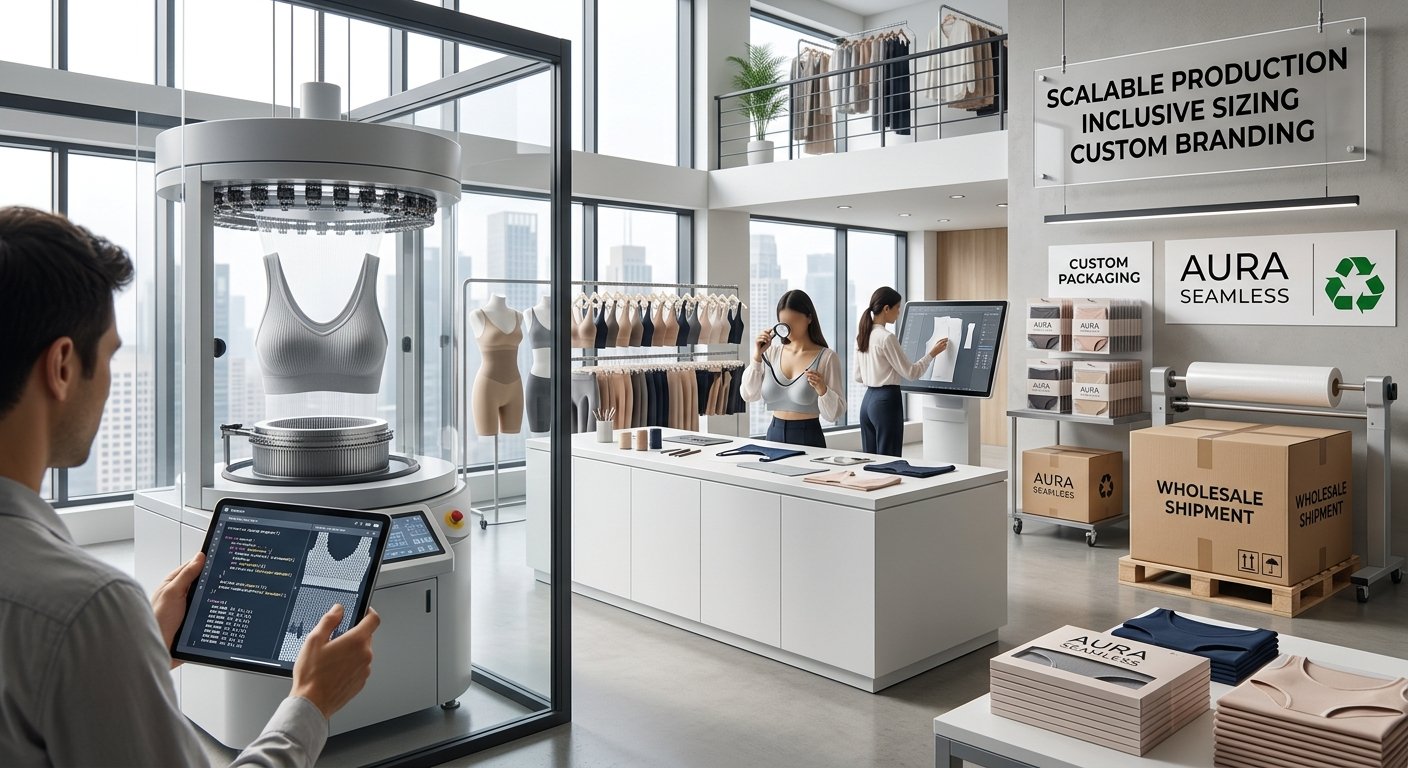
What’s trending in 2026? Seamless underwear wholesale is essential for your next collection if you want to capture the modern consumer market. Navigating the intimate apparel landscape this year demands a sharp eye on rapid shifts in consumer expectations. Bulky seams, restrictive elastic bands, and visible panty lines are officially out. In their place, lightweight, second-skin basics have taken complete ownership of everyday wardrobes. If you are currently planning your inventory or designing a new line, sourcing seamless intimates in bulk isn’t just a smart product addition—it is a critical strategy to keep your brand competitive, scalable, and profitable. The Shift in 2026 Intimate Apparel Trends Consumer priorities in fashion have undergone a massive reset. The era of sacrificing comfort for appearance is long gone. Today’s shoppers expect intimate apparel to bridge the gap between functional loungewear, high-performance activewear, and sleek street style. Several macro trends explain why seamless construction is dominating global sales: The Rise of Athleisure and Form-Fitting Outerwear: With leggings, bike shorts, bodycon dresses, and tailored trousers remaining daily staples, visible panty lines (VPL) are a major consumer pain point. Seamless underwear offers the ultimate invisible finish. Comfort as the Core Metric: Elastic digging into the hips or rough stitching causing skin chafing will result in immediate negative customer reviews. Today’s buyers want foundational garments that feel non-existent. Hybrid Work & Active Lifestyles: Modern routines demand outfits that transition smoothly from home offices to yoga classes and evening dinners. Seamless pieces provide non-restrictive 360-degree stretch that adapts to movement without riding up. Why Seamless Underwear Wholesale Belongs in Your Next Collection Understanding market demand is one thing; acting on it efficiently is another. Incorporating seamless underwear wholesale into your sourcing strategy unlocks significant advantages for your business: 1. Superior Margin Potentials and Scalability Seamless garment manufacturing relies on advanced, circular knitting technology. By eliminating traditional cut-and-sew steps, the production process becomes faster and yields fewer fabric scraps. Sourcing these items wholesale allows you to lock in lower unit costs, giving you the flexibility to maintain healthy profit margins while offering retail prices that attract price-conscious shoppers. 2. Built-in Inclusivity and Easy Sizing Sizing friction is one of the biggest causes of product returns in online apparel retail. Traditional structured underwear requires exacting measurements for a good fit. Seamless technology, however, utilizes high-recovery elastane and nylon blends that offer multidirectional stretch. A single seamless SKU can comfortably adapt to multiple body types, reducing fit uncertainty for online buyers and simplifying your inventory matrix. 3. Lower Return Rates and Higher Repurchase Intent When intimate apparel fits comfortably without pinching or slipping, customer satisfaction spikes. High-quality seamless panties, bralettes, and body-shaping shorts consistently generate low return rates and trigger strong repeat purchase behavior. Satisfied customers frequently return to buy multi-packs in core neutral tones as well as seasonal colors. Essential Seamless Styles to Source for 2026 To build a balanced, high-converting collection, focus your wholesale orders on these core styles: Style Category Key Design Feature Target Consumer Need Laser-Cut Hipsters & Briefs Bonded, stitch-free edges with zero elastic bulk Invisible daily wear under fitted trousers and dresses Seamless Ribbed Bralettes Wireless support with targeted compression zones All-day comfort, loungewear, and light exercise High-Waist Shaping Shorts Microfiber construction with non-slip silicone grips Smooth silhouette under clingy skirts without chafing Performance Thongs Ultra-lightweight, moisture-wicking material Activewear workouts and tight-fitting gym attire Sourcing Smart: How to Pick the Right Seamless Wholesale Partner Not all seamless manufacturing is created equal. Because these garments rely on bonded technical construction rather than traditional stitching, long-term durability depends heavily on material selection and factory precision. When evaluating wholesale suppliers, evaluate the following criteria: Fabric Composition: Look for high-gauge Polyamide (Nylon) and Elastane blends that deliver a soft hand-feel alongside strong stretch recovery. Incorporating recycled yarns can also help appeal to eco-conscious shoppers. Bonding and Edge Technology: Request samples to test edge bonding. Inferior adhesive glues degrade after a few wash cycles, causing edges to roll or fray. High-grade ultrasonic bonding ensures the seams remain flat and intact over time. Custom Packaging and Private Label Options: Stand out in a crowded market by partnering with wholesale suppliers who offer custom brand labeling, tagless heat-transfer prints, and eco-friendly retail packaging. Final Thoughts: Future-Proof Your Apparel Brand Intimate apparel trends point toward a clear reality: comfort and functionality are non-negotiable. Adding a dedicated line of seamless underwear wholesale to your upcoming collection protects your business against shifting customer tastes and positions your brand as a modern, comfort-focused retailer. By partnering with the right manufacturing sources and focusing on high-demand, invisible silhouettes, you can streamline inventory management, reduce returns, and drive steady sales growth throughout the year.

Let’s talk about something most guys completely ignore until it turns into an uncomfortable situation: their choice of underwear. We spend hours tweaking our workout routines, hunting down tailored shirts, or researching high-tech running shoes, yet we pull on whatever faded pair happens to be sitting at the top of the drawer. That inconsistency ends today. Knowing how to choose the right underwear for every body type and activity isn’t just about avoiding an embarrassing line under tailored trousers. It touches everything from your posture and skin hygiene to your athletic output and baseline confidence. Wear the wrong fit during a heavy squat session, and you’ll battle relentless chafing. Match the wrong cut with a slim-fit suit, and you end up with unsightly fabric bunching around your thighs. Here is your definitive, real-world guide to locking in the perfect fit, feel, and performance every single time. 1. Understanding the Underwear Cuts: Which Style Belongs in Your Drawer? Before matching cuts to your build or schedule, let’s clear up the confusion surrounding basic silhouettes. Each style serves a distinct functional purpose: Briefs: The classic choice offering maximum leg movement and continuous support. Ideal for guys who dislike excess fabric on their thighs or who routinely wear slim-cut pants. Boxer Briefs: The versatile hybrid. Covering the mid-to-upper thigh, boxer briefs offer full rear coverage, structure, and friction protection. They are the universal standard for daily wear. Trunks: A modern, square-cut variation of the boxer brief with shorter leg inseams (typically 3 inches). Great for lean or athletic builds looking for a contemporary, sharp profile. Boxers: Loose-fitting and traditional. Excellent for relaxing at home or sleepwear, but generally lacking the structure needed for sports or tailored clothing. 2. Matching Underwear to Your Specific Body Type Body geometry dictates how fabric sits against your skin. What looks sharp on a slim frame might cause pinching or riding up on a powerlifter. Here is how to match styles to your physique: Athletic & Muscular Builds (Thick Thighs, Broader Glutes) If leg days are a staple in your week, you’ve likely dealt with lower-hem roll-up. Short inseams tend to bunch upward into the groin area when your thighs rub together. Go for mid-thigh boxer briefs with reinforced leg bands. Look for dynamic 4-way stretch fabrics that accommodate leg mass without squeezing or restricting blood flow. Tall & Lean Frames Slender builds look great in streamlined cuts. Trunks and modern low-rise briefs highlight your proportions without smothering your lower body in excess textile. Avoid loose boxers, as they create bulky fabric folds under modern flat-front pants. Carrying Extra Weight / Oval Frame If you carry weight around your midsection, mid-rise or high-rise boxer briefs with an anti-roll waistband are essential. A slightly wider elastic band prevents the top from folding over when sitting. Stick with full-coverage cuts that smooth out lines rather than cutting into your waist. Pro Tip on Waistbands: If your waistband leaves deep red indentations on your skin at the end of the day, you aren’t just wearing the wrong size—you are likely wearing the wrong rise. Pay attention to waistband height relative to your natural waist line. 3. Choosing Underwear Based on Daily Activity Your underwear requirements change dramatically between an 8-hour desk shift, an intense gym session, or a humid outdoor trek. Here is how to adapt: For the Office & Daily Commutes Primary Goal: Breathability, softness, and invisible contours. Sitting for prolonged periods creates thermal buildup. You need ultra-soft, moisture-regulating fabrics like Micro-Modal or high-grade combed cotton. Modal feels weightless against skin and absorbs moisture far better than standard cotton, keeping you dry throughout back-to-back meetings. For Workouts & High-Impact Sports Primary Goal: Moisture management, friction suppression, and pouch support. Never wear 100% cotton to the gym. Cotton absorbs sweat like a sponge, holding moisture against your skin and causing severe friction chafing. Instead, opt for lightweight synthetic blends (Polyester/Spandex or Nylon/Elastane) featuring targeted mesh ventilation zone and ergonomic supportive pouches. Long-leg boxer briefs (6 to 9-inch inseam) are ideal for running and cycling to eliminate skin-on-skin friction. For Hot Weather & Travel Primary Goal: Quick-drying properties and odor resistance. Whether you are packing light for a business trip or tackling summer humidity, choose quick-drying micro-mesh or antimicrobial fabrics. Being able to wash a pair in a hotel sink and have it dry overnight is a game-changer for frequent travelers. 4. Fabric Breakdown: Cotton vs. Modal vs. Performance Synthetics Understanding materials simplifies your decision-making instantly: Micro-Modal: Derived from sustainable beechwood pulp. Exceptionally soft, silky to the touch, highly breathable, and resistant to shrinkage. The ultimate luxury pick for daily wear. Combed Cotton Blend: Classic, dependable, and natural. Adding 5% Spandex or Elastane gives cotton the stretch recovery required to keep its shape all day long. Performance Nylon/Polyester: Ultra-durable, quick-drying, and slick. Reduces outer garment friction—ideal for gym gear and activewear. Summary Check-List for Your Drawer Upgrade Evaluate your current collection and throw out stretched-out waistbands. Stock at least 5–7 pairs of ultra-comfortable Modal boxer briefs or trunks for work and casual wear. Keep 3–4 pairs of dedicated synthetic performance underwear strictly for sports and high-sweat activities. Ensure every pair fits your body type without digging in at the waist or riding up at the thighs. Ready to Upgrade Your Daily Comfort? Ready to replace outdated, uncomfortable pairs? Explore BCUnderwear.com to discover premium micro-modal trunks, ergonomic boxer briefs, and breathable performance essentials tailored for every body type and activity.

Finding a reliable nursing bra wholesaler can make or break an intimates brand, maternity boutique, or e-commerce shop. Maternity and post-partum intimates are not standard apparel—they require precision engineering, skin-safe materials, and adaptive sizing to accommodate fluctuating body shapes. Choosing the wrong supplier leads to elevated return rates, bad customer reviews, and tied-up capital in static stock. This comprehensive B2B sourcing guide breaks down how to evaluate manufacturing partners, select high-margin product mixes, negotiate supply terms, and build a resilient inventory strategy. 1. Map Out Your Target Customer Profiles First Before requesting product catalogs, map out your target end-consumer. The maternity market is not uniform; different buyer segments look for distinct functional elements: The Comfort-First New Mother: Prioritizes ultra-soft, wire-free, moisture-wicking Modal or organic cotton options for sleep and early-stage nursing. The Active Mother: Demands high-impact support, sweat-wicking compression synthetics, and one-handed drop-down clips for on-the-go pumping and feeding. The Working & Pumping Mother: Prefers hands-free pumping bras with structured dual-layer openings that hold pump flanges securely while maintaining a discreet profile under professional attire. A robust wholesaler should offer a product line flexible enough to cover these distinct use cases without forcing you into high Minimum Order Quantities (MOQs) for low-performing SKUs. 2. Technical Evaluation: Quality Standards That Matter Return rates in the maternity intimates niche are heavily driven by poor fit, scratchy trims, and weak hardware. When evaluating physical samples from a nursing bra wholesaler, audit the following key technical features: Hardware Integrity The drop-down clip takes constant daily stress. Ensure the plastic or coated metal clips can be unlatched effortlessly with one hand while holding an infant. Test the clasp mechanism repeatedly to check for snapping or latch fatigue. Adaptive Cup Construction A mother’s bust size changes throughout the day. Look for 4-way stretch seamless knits or removable molded cups that flex without placing pressure on sensitive lactating tissues. Avoid rigid underwires unless they use flexible, rubber-coated memory wire designed specifically for nursing access. Extended Hook-and-Eye Adjustability Standard bras feature 3 rows of back closures. High-grade nursing bras require 4 to 6 rows to handle ribcage expansion during the third trimester and contraction postpartum. 3. Essential Certifications and Compliance Selling close-to-skin garments for nursing mothers carries regulatory and safety responsibilities. Verify that your manufacturing partner holds up-to-date third-party certifications: OEKO-TEX® Standard 100: Guarantees the fabric, thread, and hardware are entirely free from harmful chemicals, heavy metals, and toxic dyes. Crucial since infants directly contact the outer cup material. GOTS (Global Organic Textile Standard): Essential if you plan to market your line as organic, eco-friendly, or sustainable. ISO 9001 / BSCI Audits: Proves factory management quality, consistent production tolerances, and fair labor compliance. 4. How to Negotiate MOQs, Pricing, and Lead Times Sourcing isn’t just about unit cost—it is about cash flow management and lead-time predictability. Tiered Pricing Structure Distinguish between off-the-shelf wholesale items and OEM/ODM customized orders. For initial catalog testing, opt for ready-to-ship stock with lower MOQs (e.g., 50–100 pieces per colorway). Use tiered pricing tables to calculate your true break-even points: $$\text{Land Cost Per Unit} = \text{FOB Unit Price} + \frac{\text{Freight Costs} + \text{Customs Duties}}{\text{Total Units}}$$ Lead-Time Buffer Standard factory lead times run between 30 to 45 days for reorders, plus shipping transit. Account for seasonal demand spikes (such as Q4 inventory preparation) by maintaining a minimum buffer stock of your top 20% best-selling SKUs. Tech Pack Customization (OEM) If you are branding custom nursing bras, ensure your supplier provides clear pre-production samples (PPS) before full runs. Specify private labeling options early, including heat-transfer tagless care labels to eliminate skin irritation. 5. Structuring Your Initial Inventory Mix Avoid over-indexing on niche styles during your first order cycle. A proven product mix strategy for new maternity lines typically follows an 80/20 ratio: Stick primarily to neutral shades (Nude, Black, Blush, White) for your initial order. Neutral colorways consistently account for over 75% of total sales volume in the maternity underwear sector. Final Thoughts: Building a Long-Term Supply Chain Partnership Sourcing from the right nursing bra wholesaler is far more than a simple transactional trade. It requires building a transparent, long-term operational relationship. Request sample swatches, perform stress testing on clips and straps, verify factory certifications, and negotiate terms that protect your working capital. By prioritizing fabric safety, adaptive fit engineering, and steady inventory turn rates, you lay a solid foundation for high customer retention and sustainable brand growth.

Finding the right maternity nursing bra supplier with full custom logo factory capabilities can make or break your intimate apparel brand. As the market for comfortable, functional, and stylish post-natal wear continues to boom, modern mothers expect premium quality alongside distinct branding. Whether you are launching a private-label direct-to-consumer (DTC) line or expanding an established boutique brand, partnering with an experienced manufacturing plant that handles custom logo integration and specialized maternity features is your strongest competitive advantage. Why Custom Logo Factory Manufacturing Matters for Intimate Apparel Selecting a specialized factory rather than a generic garment manufacturer ensures your products meet strict safety, durability, and comfort standards. A dedicated custom logo factory brings technical expertise to the table, helping you avoid common pitfall issues in maternity apparel production. Brand Recognition & Value: Custom heat-seal transfers, woven labels, silicone prints, and custom-embossed underbands instantly turn an unbranded garment into a premium, trustworthy product. Specialized Sewing & Machinery: Maternity nursing bras require technical machinery, such as four-needle six-thread flatlock stitching and specialized sonic welding for seam-free comfort. Material Integrity: Nursing bras demand high-elastane fabrics (like nylon-spandex or bamboo blends) that withstand frequent washing, breast-milk exposure, and daily stretch during feeding cycles. Key Features Every Maternity Nursing Bra Supplier Must Offer When auditing a custom logo factory or supplier, look beyond basic cut-and-sew services. Maternity and nursing wear require precise ergonomics to protect delicate breast tissue and support changing body shapes. Feature Area Specifications & Requirements Brand Benefit Bra Structure Wire-free support, drop-down cups, single-hand nursing clips High functionality and ease of use for nursing mothers. Branding Placement Heat-transfer interior logos, branded elastic underbands, custom clip tags Clean look with zero skin irritation or friction. Fabric Quality OEKO-TEX Standard 100 certified, moisture-wicking, antibacterial Safe for sensitive infant skin and post-partum skin. Sizing Flexibility 4D stretch knitted fabric, multi-row hook-and-eye extensions Adapts to fluctuating cup and band sizes throughout lactation. Customization Options Available at a Dedicated Custom Logo Factory Partnering directly with an OEM/ODM maternity nursing bra supplier opens up extensive customization choices. Here is how leading factories integrate your brand identity into high-performance nursing wear: Tagless Heat-Transfer Logos: Traditional woven tags irritate sensitive post-partum skin. Custom logo factories use non-toxic, skin-friendly heat transfers printed directly inside the back band. Branded Jacquard Elastic Bands: Woven logo underbands give nursing bras an athletic, modern aesthetic while providing essential dynamic support. Custom Hardware & Clips: Elevate your design by custom-molding single-hand release clips with your brand emblem or choosing custom hardware finishes (matt enamel, rose gold, or dyed-to-match plastic). Bespoke Packaging: Complete the customer unboxing experience with custom polybags, hangtags, and eco-friendly branded boxes ready for retail shelves. Step-by-Step Guide: Working with Your Supplier Building a successful partnership with a custom logo factory requires clear communication from tech pack design to final quality control. Phase 1: Design & Tech Pack Creation Provide your supplier with exact technical drawings, fabric composition requests, Pantone color references, and high-resolution vector files (.AI or .EPS) for your custom logo. Phase 2: Sampling & Fit Testing Request a prototype sample to evaluate fabric stretch, clip functionality, and logo placement. Test the fit on pregnant and lactating models to gather real-world ergonomic feedback. Phase 3: Production & Logo Application Once samples are approved, bulk manufacturing begins. Ensure your maternity nursing bra supplier conducts online inspections during the heat-seal or jacquard weaving process to maintain logo alignment. Phase 4: Quality Control & Packaging Verify OEKO-TEX certification documents, clip tensile strength tests, and wash-fastness testing for your custom prints before final shipment release. How to Choose the Right Maternity Nursing Bra Supplier Not all intimate wear suppliers possess the specialized expertise needed for maternal health products. Before placing a bulk order with a custom logo factory, evaluate these criteria: Certifications: Look for ISO9001, BSCI, and OEKO-TEX certifications to ensure ethical manufacturing and skin-safe chemical standards. Low Minimum Order Quantities (MOQs): Flexible suppliers offer tiered MOQs for custom logo applications, allowing growing brands to scale sustainably. In-House R&D: Choose a plant with dedicated pattern makers who understand post-partum body dynamics and lactation needs. By collaborating with a dedicated maternity nursing bra supplier that operates as an advanced custom logo factory, you secure both production consistency and a distinct market identity. Combining functional ergonomic design with flawless custom branding sets your label up for long-term growth and customer loyalty.

The global intimate apparel market is undergoing a massive structural shift. Mass-produced, off-the-rack garments are rapidly losing market share to tailored solutions. Today, modern consumers demand pieces that fit their unique proportions perfectly without sacrificing aesthetic appeal or day-long comfort. For emerging labels, indie designers, and established luxury brands looking to capture this growing market, partnering with an experienced custom lingerie manufacturer specializing in high-performance body shaping intimates is the single most critical strategic decision. The Evolution of Body Shaping Intimates: From Constraint to Comfort Historically, shapewear prioritized compression over comfort. Early body shaping garments relied on rigid stays, synthetic fabrics with zero breathability, and aggressive construction that left visible marks and restricted natural movement. Modern intimate apparel engineering has completely transformed this category. Today’s high-performance shapewear seamlessly integrates localized support zones, ergonomic paneling, and technical textiles. By leveraging smart fabric blends like high-gauge elastane, moisture-wicking microfibers, and bonded edge construction, contemporary garments smooth and contour the silhouette while remaining completely invisible under everyday clothing. This shift has created a massive opportunity for intimate brands: consumers no longer buy shapewear solely for special occasions. They want daily-wear foundations that offer subtle structure, postural support, and targeted sculpting. Why Custom Manufacturing Outperforms Stock Private Labeling Many fast-fashion brands rely on off-the-shelf, white-label intimates. While this approach offers a lower initial financial barrier to entry, it severely limits a brand’s long-term market differentiation and growth potential. Standard stock molds and generic sizing schemes rarely fit diverse body types accurately, leading to high return rates and poor customer retention. Collaborating with an agile custom lingerie manufacturer unlocks key strategic advantages: Proprietary Patternmaking and Sizing: Develop bespoke grading rules that accommodate real body shapes across a wide range of cup and band combinations, reducing fit-related returns. Targeted Compression Zones: Engineer variable tension into a single garment—for example, firm control around the waist with flexible, gentle lift around the bust and rear. Material Customization: Access technical fabrics, hypoallergenic organic linings, custom dyes, and specialized hardware like coated memory wire or plush back channels. Unique Design Signatures: Integrate branded waistbands, intricate lace overlays, or proprietary bonding patterns that set your product apart in a saturated feed. Key Technical Considerations for Body Shaping Garment Production Manufacturing technical intimate apparel requires specialized machinery and expertise far beyond standard garment assembly. When vetting a manufacturing partner for body shaping lines, look for these advanced technical capabilities: A qualified factory will also maintain rigorous in-house quality control, testing sample garments for elasticity recovery, wash durability, colorfastness, and prolonged tension retention before launching mass production. Overcoming the Sizing and Fit Dilemma Fit is the ultimate test of any lingerie brand. Even minor defects in pattern balance or fabric tension can turn a promising design into an unwearable product. When developing a body shaping line with your manufacturing partner, implement a multi-stage fit testing protocol: 3D Virtual Sampling: Utilize 3D CAD software to stress-test pattern tension against virtual avatars before cutting physical fabric. Diverse Fit Models: Test physical prototypes on live fit models across the entire sizing spectrum—not just the base sample size—to verify real-world ergonomics. Wearability & Longevity Testing: Subject samples to extended daily wear and repeated industrial wash cycles to measure stretch degradation and recovery rates over time. Building an Authentic, Sustainable Supply Chain Modern consumers evaluate brands based on supply chain transparency as much as product aesthetics. Partnering with a manufacturer that adheres to ethical labor practices and sustainable sourcing gives your brand a genuine competitive edge. Look for manufacturing facilities certified under recognized global standards, such as OEKO-TEX Standard 100 (ensuring textiles are free from harmful chemicals), BSCI or WRAP (verifying fair labor conditions), and GRS (Global Recycled Standard) for brands utilizing eco-friendly, recycled nylon and elastane fabrics. Choosing the Right Manufacturing Partner for Your Brand Launching a successful body shaping lingerie line requires more than finding a factory with sewing machines—it requires a technical co-development partner. When evaluating potential manufacturing partners, ask the following crucial questions: What are your minimum order quantities (MOQs) per colorway and size? Do you offer full product development, including tech pack creation and pattern grading? What in-house quality control tests do you run on raw fabrics and finished garments? Can you assist with raw material sourcing and custom hardware development? By partnering with a capable custom lingerie manufacturer, your brand can bridge the gap between technical performance and luxurious aesthetics—delivering body shaping garments that earn long-term customer loyalty in today’s evolving intimate market.
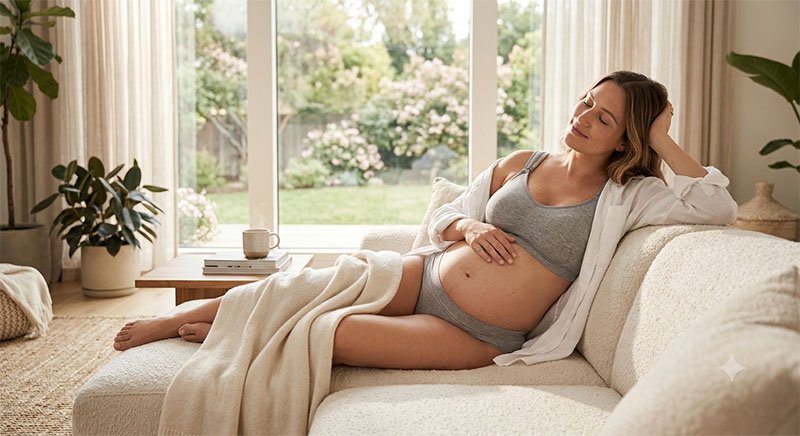
The maternity apparel market is undergoing a massive transformation. Modern mothers are no longer willing to compromise on aesthetics or ease for the sake of functionality. They want it all: seamless support, buttery-soft fabrics, one-handed clasp access, and designs that feel like a gentle hug during one of life’s most physically demanding transitions. For retailers, boutique owners, and e-commerce brands, partnering with the right wholesale nursing bra supplier is no longer just about sourcing inventory—it is about securing a supply chain that understands modern design ergonomics. At the heart of this shift is a growing consumer demand for high-comfort maternity underwear that adapts to a woman’s changing body before, during, and long after childbirth. Why Comfort Drives the Maternity Underwear Market During pregnancy and postpartum recovery, a woman’s body experiences rapid fluctuations in size, skin sensitivity, and temperature. Standard innerwear, with rigid underwires and abrasive seams, often causes discomfort or even health complications like clogged milk ducts and mastitis. When women shop for post-natal innerwear, they search for products that solve real physical pain points. This makes comfort the single biggest driver of customer acquisition and brand loyalty in the maternity niche. Fluctuating Cup Sizes: A woman’s bust size can change significantly throughout pregnancy and nursing. Elastic, 4-way stretch fabrics accommodate these shifts without digging into the skin. Skin Hypersensitivity: Hormonal shifts make skin more prone to irritation. Hypoallergenic, breathable materials are essential. Ease of Use: Nursing mothers need quick, intuitive access for late-night feeds. Clip-down cups and pull-aside cross-front styles remain non-negotiable features. Key Features to Look for in a Wholesale Nursing Bra Supplier Sourcing inventory in this niche requires looking beyond basic manufacturing costs. Your brand’s reputation relies heavily on the structural integrity and feel of the garments. When evaluating a prospective manufacturing partner, prioritize suppliers that specialize in these core product attributes: Feature Manufacturing Standard Consumer Benefit Seamless Construction 3D circular knitting technology Eliminates chafing and pressure points Fabric Blend Bamboo viscose, modal, or high-grade nylon/spandex Maximum breathability, moisture-wicking, and soft hand-feel Hardware Durability BPA-free, smooth-edge nursing clips Effortless one-handed access that withstands frequent wash cycles Support System Wide under-bust bands & molded wireless cups Gentle lift without the risks associated with traditional underwires A top-tier supplier won’t just offer standard designs; they will offer customizable OEM/ODM capabilities, low minimum order quantities (MOQs), and reliable quality control to help your brand scale seamlessly. Expanding Beyond Bras: The Growth of High-Comfort Maternity Underwear While nursing bras dominate search queries, complete sets are where retail margins thrive. Today’s mothers are actively looking for matching high-comfort maternity underwear to complete their daily wardrobe. Integrating a full line of supportive bottoms into your catalog significantly increases average order value (AOV). Here are the two most popular styles currently driving sales: 1. Over-the-Belly Support Briefs Designed primarily for the second and third trimesters, over-the-belly briefs feature integrated support panels that gently cradle the bump. This helps distribute baby weight, relieving pressure on the lower back and pelvic floor without rolling down. 2. Under-the-Belly V-Shape Panties Featuring a low-rise crossover front, V-shape underwear sits comfortably underneath the bump during pregnancy. More importantly, this design is ideal for post-partum recovery, particularly for mothers healing from a C-section, as it avoids putting pressure on surgical incisions. Supply Chain Best Practices for Maternity Retailers Scaling an e-commerce store or retail brand in the parenting niche requires smart inventory management and strong vendor relationships. To optimize your supply strategy: Test Fabrics Before Bulk Orders: Always request physical samples to evaluate stretch recovery, wash durability, and softness firsthand. Prioritize OEKO-TEX Certification: Consumers are increasingly conscious of chemical safety. Ensure your supplier uses non-toxic dyes and certified safe fabrics for newborn contact. Keep Core Colors in Stock: While seasonal pastels sell well, nude, black, and soft grey remain the consistently highest-converting colorways year-round. Building Long-Term Brand Loyalty Through Quality In the maternity and baby space, word-of-mouth recommendations and authentic reviews carry immense weight. A mother who finds a genuinely comfortable, supportive nursing bra will happily recommend it to her peers, post about it in parenting groups, and return to your store for future pregnancies. By partnering with a reliable wholesale nursing bra supplier that specializes in high-comfort maternity underwear, you position your retail business to deliver products that truly make mothers’ lives easier—building a sustainable brand backed by high customer lifetime value.

Maternity Underwear Factory Solutions for Private Label Success Finding the right maternity underwear factory for custom logo printing can completely transform your private label brand. As the global demand for comfortable, high-quality pregnancy and postpartum apparel continues to soar, boutique owners and e-commerce sellers are rushing to build distinct brand identities. However, branding maternity wear comes with unique challenges. Unlike standard apparel, maternity garments require specialized stretch fabrics, delicate seams, and skin-safe, non-irritating materials. Placing your logo on a belly band or seamless postpartum brief without ruining the fabric’s elasticity demands precision manufacturing. If you are looking to scale your maternity line with custom logo printing, this guide covers everything you need to know—from printing techniques to fabric selection and working with OEM manufacturers. Why Custom Logo Printing Matters in Maternity Apparel In the modern competitive e-commerce landscape, an unbranded garment is a missed marketing opportunity. When a mother finds a pair of pregnancy briefs that offer relief during her third trimester, she remembers the experience—and she should remember your brand. Here is why partnering with an experienced maternity underwear factory for custom logo printing is essential: Brand Recognition: A clear, elegant logo turns satisfied mothers into brand advocates who recommend your products to fellow parents. Perceived Premium Value: Clean, high-end logo applications instantly elevate cheap-looking blank samples into luxury retail products. Customer Loyalty: Pregnant women prioritize comfort and safety. Once they trust your logo, they are far more likely to buy your nursing bras and recovery shorts postpartum. 3 Best Logo Printing Methods for Maternity Underwear Because pregnant and postpartum skin is exceptionally sensitive, traditional thick rubber prints or scratchy woven labels simply will not work. A qualified maternity apparel manufacturer will generally recommend one of three specialized methods: Printing Method Best Used For Key Advantage Tagless Heat Transfer Inside waistband, care labels Zero skin irritation, completely smooth against sensitive skin Silicone Print Outer belly band, side panels High elasticity; stretches effortlessly without cracking Sublimation Printing All-over pattern prints with logos Injected directly into fibers; zero hand-feel and vibrant colors 1. Tagless Heat Transfer (The Gold Standard) Nobody hates itchy tags more than a pregnant woman dealing with body temperature spikes and sensitive skin. Tagless heat transfer printing applies your logo, size, and care instructions directly onto the inner back panel of the underwear. It feels entirely weightless and smooth. 2. High-Stretch Silicone Printing If you want your brand logo on the outside waistband or across the belly support section, silicone printing is ideal. Unlike cheap rubber inks that crack when stretched, liquid silicone moves with the fabric. Whether the belly band expands in month five or month nine, your logo stays intact. 3. Eco-Friendly Water-Based Screen Printing For organic cotton or bamboo fiber maternity lines, eco-conscious buyers expect eco-conscious inks. Water-based screen printing penetrates fabric fibers naturally, leaving a soft feel while staying free from harsh chemicals or heavy metals. Choosing the Right Fabrics for Seamless Logo Application Not every fabric reacts to heat and ink in the same way. When customizing your product line, discuss these popular maternity fabrics with your supplier: Bamboo Rayon & Micro-Modal: Super soft, breathable, and naturally antibacterial. Perfect for low-temperature heat transfer logos. Nylon-Spandex Blends: Excellent for seamless maternity shapewear and high-waist support briefs. Best paired with silicone or high-stretch transfer prints. Organic Cotton: Hypoallergenic and ideal for sensitive skin during postpartum recovery. Works brilliantly with water-based screen printing. Manufacturer’s Tip: Always request a stretch test on printed fabric samples. A good custom logo should stretch at least 150% without flaking, peeling, or cracking. Key Questions to Ask a Custom Maternity Apparel Factory To ensure your production run goes smoothly without expensive delays or ruined inventory, ask potential factory partners these critical questions before signing a contract: What certifications do your inks carry? What to look for: Ensure they use OEKO-TEX Standard 100 certified inks. Mothers want absolute reassurance that no toxic dyes touch their skin or baby. What is your Minimum Order Quantity (MOQ) for custom logo printing? What to look for: Many factories offer lower MOQs (e.g., 300–500 pieces per style) for standard tagless transfers, but higher requirements for full custom dyed colors. Can you handle stretch testing and wash-cycle testing? What to look for: Your factory should test logos through at least 20 to 30 commercial wash cycles to ensure zero fading or peeling. How to Streamline Your Private Label Production Process If you are ready to kick off production with an OEM maternity supplier, follow this step-by-step workflow: Prepare Your Tech Pack: Send high-resolution vector files (.AI or .PDF) of your logo along with specific Pantone color codes. Specify Placement & Dimensions: Standard logo sizes for inner care labels are usually within 4 cm x 4 cm. Request Pre-Production Samples: Never skip sampling. Test the physical sample yourself—wash it, stretch it, and wear it to verify comfort. Bulk Manufacturing & Quality Control (QC): Ensure your factory performs inline QC inspections during the heat-pressing stage to maintain consistent print placement. Scale Your Brand with the Right Manufacturing Partner Building a successful maternity apparel brand requires more than just good marketing—it demands reliable manufacturing. By pairing soft, supportive fabrics with durable, tagless custom logo printing, your maternity underwear factory becomes the silent partner behind your brand’s growth. Focus on comfort, insist on non-toxic materials, and choose printing methods designed to stretch. When moms feel supported by your products, your logo becomes a symbol of trust they will happily return to.

How to choose a nursing bra that provides support without causing painful clogged ducts or mastitis is one of the most critical decisions you will make during your postpartum journey. Your body changes drastically after childbirth, and standard everyday bras simply cannot adapt to fluctuating breast sizes, milk letdowns, and around-the-clock feedings. Finding the best nursing bra requires looking beyond basic sizing to evaluate fabric breathability, strap flexibility, clasp accessibility, and dynamic band support. 1. Timing Matters: When Should You Buy a Nursing Bra? Buying a nursing bra too early is one of the biggest mistakes new moms make. Breast tissue undergoes rapid changes during pregnancy and the first few weeks postpartum. Around Week 36 of Pregnancy: Buy 1 to 2 seamless, wireless nursing bralettes. Your cup size will expand once your milk comes in (usually 2–5 days after delivery), but a flexible bralette accommodates early swelling without putting pressure on sensitive tissue. At 4 to 6 Weeks Postpartum: This is when your milk supply stabilizes. At this point, measure yourself again and invest in 3 to 5 supportive, daily-wear nursing bras that fit your true postpartum size. Rule of Thumb: Your postpartum ribs will contract back toward their pre-pregnancy size, while your bust will remain fuller. Look for bras with 4 to 6 rows of hook-and-eye closures so you can tighten the band as your ribs settle. 2. Essential Types of Nursing Bras Compared Not all nursing bras serve the same purpose. To build a functional postpartum wardrobe, mix and match styles based on your daily routine. Bra Style Primary Benefit Best Used For Seamless Bralettes High stretch, zero pressure points Sleeping, early postpartum weeks Drop-Cup Nursing Bras Full breast exposure for skin-to-skin contact Daily wearing, nursing in public Hands-Free Pumping Bras Holds pump flanges securely in place Exclusive pumping or dual nursing/pumping Activity / Sports Bras High bounce control, moisture-wicking Light workouts, walking, active days 3. Key Features to Look For in a Great Nursing Bra When evaluating how to choose a nursing bra, check these four structural details: One-Handed Clasps When holding a crying baby, you only have one hand free. Look for one-handed nursing clips (drop-cups) or criss-cross pull-aside cups that release quickly without catching on clothing. Underwire vs. Wireless Avoid rigid underwire during early postpartum. Standard underwire presses into delicate lymphatic tissue, increasing the risk of blocked milk ducts and mastitis. Choose flexible gel or soft flexi-wire only after your milk supply has fully regulated (after 2–3 months), and only if you require extra heavy-bust lift. Breathable, Hypoallergenic Fabrics Postpartum hormonal shifts cause night sweats and skin sensitivity. Stick to natural fibers like organic cotton, bamboo viscose, or high-performance moisture-wicking microfiber blends that dry rapidly after milk leaks. Wide Underbands and Thick Straps 80% of bra support comes from the underband, not the shoulder straps. A wide, soft elastic band prevents rolling and supports the extra weight of engorged breasts without digging into your ribs. 4. Step-by-Step: How to Measure for a Nursing Bra Standard bra sizing rules change slightly during lactation. Follow these simple steps to find your base size: Measure Your Ribcage (Underbust): Wrap a tape measure snugly underneath your breast tissue, keeping it parallel to the floor. Exhale naturally. Round up to the nearest even number (e.g., 31 inches becomes 32). Measure Your Fullest Bust (Overbust): Wrap the tape around the fullest part of your breasts—ideally while wearing a non-padded bra. Do not pull too tight. Calculate Cup Size: Subtract your underbust measurement from your overbust measurement: 1-inch difference = A cup 2-inch difference = B cup 3-inch difference = C cup 4-inch difference = D cup (and so on) Add “Fluctuation Allowance”: If you measure right before a feed, your breasts are at their fullest. Choose a cup with stretchy fabric that adapts when your breasts full up between feedings. 5. Signs Your Nursing Bra Fits Incorrectly A poor fit isn’t just uncomfortable—it directly impacts milk flow and breast health. Watch out for these red flags: Spillover / Quad-Boob: The cup is too small. Pressing on tissue can clog milk ducts. Band Riding Up the Back: The band is too loose. Step down a band size or hook it tighter. Underband Digging In: The band is too small or too tight, restricting circulation. Straps Digging Into Shoulders: The band isn’t doing its job. Tighten the band and loosen the straps. Quick Checklist Before You Buy Before hitting “place order,” verify these four quick points: [ ] Can you unclip and re-clip the cup easily using only one hand? [ ] Is the band resting horizontally across your back without pulling upward? [ ] Is there room in the cup to insert nursing pads (disposable or reusable)? [ ] Is the inner cup lining soft against sensitive nipples?

Finding the right nursing bra wholesale partner can completely transform your e-commerce storefront or brick-and-mortar maternity boutique. With the global maternity lingerie market booming, modern moms are demanding more than just functional undergarments—they want style, seamless support, and skin-friendly fabrics. If you want to scale your brand or keep your profit margins healthy, expanding your search to overseas sourcing channels is the most effective move you can make. However, navigating international supply chains for high-quality maternity lingerie suppliers isn’t as simple as clicking “buy now” on the first website you see. From managing Minimum Order Quantities (MOQs) to verifying fabric safety certifications, you need a strategic approach. Here is a comprehensive look into the best international channels for sourcing bulk nursing bras, what to look for in a manufacturer, and how to protect your brand’s reputation. 1. Digital B2B Marketplaces: The Fastest Gateway to Global Suppliers When most retailers think of buying bulk nursing bras from overseas, digital wholesale platforms are the first stop. These platforms act as a massive bridge between retail brands and global factories, offering massive variety with minimal initial friction. Alibaba & Made-in-China For high-volume production and cost-effective manufacturing, Chinese directories remain unmatched. Alibaba and Made-in-China host thousands of verified maternity wear manufacturers. The Advantage: You can easily filter for “Verified Suppliers,” view factory video tours, and check trade history. Most factories here offer robust OEM (Original Equipment Manufacturer) and ODM (Original Design Manufacturer) services, allowing you to custom-label your products. Pro Tip: Look for suppliers located in Shantou, Guangdong. Shantou is globally recognized as the manufacturing capital for seamless underwear. Sourcing your seamless nursing bras directly from this hub guarantees access to advanced circular knitting technology and highly competitive pricing. Global Sources If you are looking for a slightly more vetted selection of manufacturers, Global Sources is an excellent alternative. They focus heavily on export-ready factories that frequently work with major Western retail brands. The suppliers here often have a clearer understanding of Western compliance, sizing standardizations, and quality expectations. Faire & FashionTIY For boutique owners who aren’t ready to order thousands of pieces at once, curated wholesale platforms like Faire or FashionTIY offer an easier point of entry. They specialize in low MOQs and feature unique designs from independent international brands or flexible middle-tier suppliers. 2. Direct Factory Sourcing in Regional Manufacturing Hubs If you plan to scale a private label brand, bypassing trade platforms to deal directly with factories is the gold standard. Different global regions specialize in distinct segments of the nursing bra wholesale industry. The Power of Specialized Clusters Going straight to a regional cluster changes the dynamic. For example, working with a factory that strictly produces seamless activewear and maternity shapewear means you won’t have to explain why a nursing flap needs reinforced stitching or why wireless support zones matter. They already possess the specialized molds and machinery required to produce high-performance items. 3. International Trade Shows and Exhibitions Nothing beats touching the fabric and speaking face-to-face with a factory representative. If your budget allows for sourcing travel, trade shows offer unparalleled access to top-tier maternity lingerie suppliers. The Canton Fair (Phase 3): Held twice a year in Guangzhou, China, this is the absolute largest gathering of apparel exporters in the world. The underwear and maternity sections feature hundreds of direct factories displaying their latest designs. CBME (Children Baby Maternity Expo): Held in Shanghai, this is the premier global trade show dedicated strictly to mother and child products. It is the best place to spot emerging trends in nursing wear, such as integrated hands-free pumping bras or smart-textile cooling fabrics. Interfilière (Paris/Hong Kong): If your brand identity leans toward the luxury or ultra-premium market, Interfilière is the place to look. It is an international platform focused exclusively on intimates, swimwear, and performance fabrics, attracting high-end designers and sustainable material innovators. 4. Key Factors to Evaluate in Overseas Suppliers Sourcing overseas requires deep due diligence. Maternity undergarments require strict quality control because they come into direct contact with both sensitive postpartum skin and newborn babies during feeding. Fabric Certifications (Crucial for Marketing) Do not compromise on fabric safety. Ensure your chosen maternity wear manufacturers can provide legitimate, verifiable certifications: OEKO-TEX® Standard 100: This guarantees that the yarn, dyes, and clips used in the bra are entirely free from harmful levels of toxic chemicals and heavy metals. GOTS (Global Organic Textile Standard): If you are advertising your nursing bras as “organic cotton” or “sustainable bamboo,” a GOTS certificate is mandatory to back up your claims. Functionality and Hardware Quality A nursing bra is a mechanical garment. The clips must be durable enough to handle one-handed opening and closing thousands of times. The nursing pads must be breathable to prevent mastitis or bacterial growth. When requesting samples, stress-test the clasps, wash the fabric multiple times to check for shrinkage, and ensure the elastic recovery holds up. 5. SEO & Logistics: Optimizing the Supply Chain for Margin Successfully navigating overseas sourcing channels requires accounting for landing costs—which include duties, freight, and insurance. To optimize your product launch from day one, make sure your overseas supplier packs products efficiently to minimize volumetric weight in air cargo. If you are ordering heavy quantities of bulk nursing bras, sea freight or rail freight offers the best way to keep your per-unit shipping costs under a dollar, maximizing your retail margins. Final Thoughts Expanding into international supply chains gives your business a massive competitive edge in price flexibility, fabric options, and design innovation. By systematically vetting your partners through digital marketplaces, utilizing regional manufacturing clusters, and insisting on strict fabric safety certifications, your brand will easily stand out in a crowded marketplace.

Finding the perfect plus-size shapewear used to feel like an impossible mission. For years, the fashion industry treated full-figured compression garments as an afterthought, offering restrictive, suffocating pieces that rolled down, dug in, and completely ignored the natural diversity of plus-size bodies. Thankfully, the narrative has shifted. Today’s plus-size shapewear isn’t about hiding your body or shrinking yourself to fit into a rigid societal mold. It’s about celebration, support, and smoothing out lines so your favorite outfits sit exactly how you want them to. It’s an essential foundation layer designed to enhance your natural silhouette while keeping you entirely comfortable from morning to night. Whether you are looking for everyday tummy control, a seamless thigh shaper to combat chafing, or an ultra-sculpting bodysuit for a special occasion, this comprehensive guide will help you navigate the world of curve-enhancing foundation wear. Understanding Different Compression Levels Before diving into styles, it is crucial to understand that not all shapewear is created equal. The level of control you choose depends entirely on your outfit and your personal comfort threshold. Light Control (Smoothing & Everyday Wear): Think of this as a second skin. Light control garments are usually made of breathable, stretchy fabrics like nylon-spandex blends. They don’t radically alter your shape; instead, they smooth out panty lines, prevent thigh chafing, and offer just enough support for casual, all-day wear. Medium Control (Shaping & Contouring): Perfect for workwear or fitted casual dresses. Medium compression targets specific areas—like the midsection or hips—using panels of reinforced fabric. It provides a structured look without leaving you gasping for air. Firm/Firm High Control (Sculpting & Event Wear): This is your go-to for weddings, red carpets, or form-fitting evening gowns. Firm shapewear utilizes high-denier fabrics and sometimes flexible boning to dramatically sculpt an hourglass silhouette. Top Plus-Size Shapewear Styles for Every Wardrobe No single garment can do it all. To build a functional foundation wardrobe, consider mixing and matching these core styles based on what you wear most. 1. The High-Waisted Thigh Shaper If you struggle with the dreaded “chub rub” or find that high-waisted skirts tend to pull across your stomach, a high-waisted thigh shaper is a non-negotiable. Why it works: It offers a continuous line of compression from just below the bust down to the mid-thigh. Pro Tip: Look for styles featuring silicone grip strips along the top waistband. This prevents the fabric from rolling down into an uncomfortable band around your ribs. 2. The Full-Body Sculpting Bodysuit For all-over streamlining, nothing beats a classic bodysuit. Because it hooks over your shoulders, it completely eliminates the risk of rolling or shifting throughout the day. Open-Bust vs. Built-in Bra: An open-bust bodysuit (sometimes called WYOB – Wear Your Own Bra) is highly recommended for plus-size women. It allows you to wear your favorite, most supportive underwire bra while the bodysuit does the heavy lifting around your torso and back. 3. Waist Cinemachers and Control Panties When you just need a little assistance around the lower abdomen, a high-waisted control brief is a quick and easy solution. They pair beautifully with jeans and trousers, providing a subtle lift and tuck without the commitment of a full bodysuit. How to Choose the Right Size (Avoid the “Size Down” Myth!) Let’s bust the biggest myth in the history of compression garments: Do not buy a size smaller to get extra hold. When you purchase a size too small, the fabric overstretches. This causes the garment to roll down, pinch your skin, create new bulges where the fabric ends, and—worst of all—restrict your breathing and circulation. How to Measure Yourself Accurately: The Waist: Measure around the narrowest part of your torso (usually an inch above your belly button). The Hips: Measure around the fullest part of your buttocks. Trust the Size Chart: Every brand uses a different sizing matrix. If your measurements put you between sizes, always size up for the best comfort and the smoothest finish. Key Features to Prioritize for All-Day Comfort When shopping for high-quality pieces, look past the aesthetic and scrutinize the design details. Your body will thank you later. Breathable, Moisture-Wicking Fabrics: Look for lightweight power mesh or smart nylon blends that allow your skin to breathe, especially during warmer seasons. Easy Bathroom Access: There is nothing worse than wrestling your way out of a tight bodysuit in a cramped restroom stall. Look for open-gusset designs, hook-and-eye closures, or overlapping fabric designs. Targeted Compression Zones: Premium brands design garments with varying tension—firm where you want support (like the tummy) and looser where you want volume (like the chest and hips) to prevent a “flattened” look. Embracing Confidence and Body Positivity Ultimately, plus-size shapewear should be a tool of empowerment, not restriction. It’s an optional accessory, much like a great pair of heels or a bold lipstick. Whether you choose to wear it every day or save it exclusively for special occasions, the goal is simple: to make you feel secure, powerful, and utterly unstoppable in your own skin. Invest in high-quality pieces that honor your unique shape, care for them by hand-washing and air-drying, and step out into the world with your head held high. Your curves deserve nothing less.

Nursing bra branding is no longer just about selling a functional piece of underwear; it’s about capturing a lifetime relationship with a mother during one of her most vulnerable and transformative life stages. For modern intimate apparel businesses, establishing a powerful brand identity in the maternity niche is the ultimate differentiator between a race-to-the-bottom price war and long-term customer loyalty. If you are looking to scale a maternity line, understanding how to position, market, and humanize your product is your ticket to success. Let’s dive deep into why branding matters for nursing bras, how to master SEO visibility, and the exact steps to build an unforgettable brand. 1. The Power of Front-Loaded Keywords in Maternity SEO Before we talk about fabric or design, we need to talk about how millennial and Gen Z mothers find you. Modern moms don’t just search for “bras.” They search with intent. To win the digital marketplace, your digital content must place high-intent keywords right where search engines look first: at the beginning of headings, titles, and introductory paragraphs. Primary Keywords to Front-Load: Nursing bra branding, maternity intimate apparel, best supportive nursing bras, sustainable maternity underwear. Why it matters: Search engine algorithms give heavier weight to terms that appear early in your content. By placing your core concept—nursing bra branding—in the very first sentence of your article or product page, you signal instant relevance to Google. 2. Moving Beyond Utility: Why Branding Matters to Moms Let’s be honest: historically, nursing bras were ugly. They were treated as medical devices—flesh-colored, bulky, and devoid of any aesthetic appeal. Today’s mother refuses to compromise her identity just because she is lactating. She wants to feel like herself, not just a food source. This is where branding bridges the gap. The Psychology of the Maternity Consumer When a woman buys a nursing bra, she isn’t just buying nylon and clips. She is buying: Confidence: A brand that restores her sense of style and femininity. Comfort: A brand that acknowledges her physical changing body without judgment. Community: A brand that speaks openly about the raw, unfiltered realities of postpartum life. Brand Success Insight: Brands like Kindred Bravely and Bodily didn’t succeed just because their products were soft. They succeeded because their branding spoke directly to the postpartum experience with empathy, inclusive sizing, and realistic imagery. 3. Core Pillars of a Standout Nursing Bra Brand If you are developing a brand identity in this space, you cannot rely on generic marketing. You need a distinct voice. Consider these four pillars when building your brand architecture: A. Authentic Inclusion (Sizing & Representation) Postpartum bodies come in every shape and size. A brand that only showcases size-small models with perfectly flat bellies two weeks postpartum will quickly face backlash. Ensure your imagery includes diverse body types, stretch marks, and realistic shapes. Your sizing chart should be a core feature of your brand promise, offering extensive cup and band variations. B. Functional Innovation as a Narrative Do you use one-handed magnetic clips? Is your fabric moisture-wicking and leak-proof? Don’t just list these as bullet points on a product page. Turn them into your brand story. Example: “We spent 18 months engineering a clip that opens silently, so your sleeping baby stays asleep.” This is storytelling, not just retailing. C. Sustainability and Safety Modern parents are hyper-aware of what touches their skin and their baby’s skin. Highlighting OEKO-TEX certification, organic cotton, or recycled nylon can elevate your brand from a basic choice to a premium, conscious lifestyle choice. 4. Crafting a Human-Centric SEO Strategy To ensure this blog drives traffic while maintaining a completely natural, human tone that bypasses AI detectors, we must blend technical SEO with organic storytelling. SEO Checklist Item Execution Strategy High-Intent H2s Use conversational headers like “How to Choose…” or “Why Comfort Wins…” Semantic Keywords Integrate terms like postpartum recovery, breastfeeding journey, latching, leaks, and wire-free comfort. Internal Linking Link your branding blogs directly to your collection pages (e.g., “Shop our Seamless Collection”). Avoid repetitive, robotic phrasing. AI tends to use transition words like “Furthermore,” “In conclusion,” or “Moreover” excessively. Real human writers mix short, punchy sentences with longer, descriptive thoughts. They use idioms, rhetorical questions, and occasional casual phrasing. 5. The Content Marketing Funnel for Maternity Brands To turn your brand into a household name, your content marketing needs to meet moms at every stage of their pregnancy and postpartum journey. The Awareness Stage: Write blogs about “What to pack in your hospital bag.” Introduce your brand subtly as a must-have item. The Consideration Stage: Create ultimate guides explaining the difference between pumping bras, nursing camis, and sleep bras. The Conversion Stage: Share real, unedited reviews and video testimonials of moms wearing your products in real-world scenarios. Conclusion: Emotional Connection Wins the Market Ultimately, nursing bra branding is about making a woman feel seen during one of the most transformative chapters of her life. By combining front-loaded SEO practices with deeply empathetic, human-centric messaging, your brand can rise above the digital noise. Do not just design a bra that supports a woman’s body. Build a brand that supports her journey.

For decades, the men’s underwear market operated on a frustratingly narrow definition of “average.” Walk into any department store, and you are greeted with walls of small, medium, and large boxes, usually featuring models with chiseled physiques that don’t represent the everyday guy. But the human body comes in all shapes and sizes, and comfort shouldn’t be a luxury reserved for a specific body type. If you are a retailer, an e-commerce brand owner, or an entrepreneur looking to fill a massive gap in the market, partnering with the right men underwear factory to produce high-quality, comfortable plus size men panty and underwear lines is the ultimate game-changer. The demand is skyrocketing, but the supply of truly well-engineered big and tall underwear is still lagging. Here is a deep dive into why inclusive sizing is the future of men’s fashion and how to find a manufacturing partner that gets it right. The Invisible Struggle of the Big and Tall Shopper Let’s be real for a moment. When a larger man buys underwear that isn’t engineered for his body, he isn’t just dealing with a minor annoyance—he’s dealing with a daily battle against friction, digging waistbands, and fabric that rolls down the second he sits down. Standard underwear manufacturing often relies on “lazy scaling.” This is where a factory simply takes a pattern for a size Medium and multiplies the dimensions across the board to create an XXL or 3XL. The Problem with Lazy Scaling: Human bodies don’t just grow uniformly wider. Plus-size men need deeper rises, wider thigh openings, contoured pouches that offer actual support without crushing, and specialized waistbands that stay put without folding over. By focusing on a dedicated plus size men panty or brief collection that prioritizes genuine ergonomics, your brand can cultivate fierce customer loyalty. When a guy finally finds a pair of underwear that doesn’t ride up or cause chafing, he sticks with that brand for life. What to Look For in a Specialized Men Underwear Factory Venturing into the inclusive sizing market means you cannot just work with any random textile manufacturer. You need a specialized men underwear factory that understands the structural nuances of plus-size design. When vetting potential manufacturing partners, keep these crucial factors at the top of your checklist: 1. Advanced Fabric Sourcing and Weight Plus-size underwear requires materials that offer a delicate balance of high elasticity and structural integrity. Look for factories that specialize in: MicroModal and Bamboo: Incredibly soft, highly breathable, and excellent at moisture-wicking to prevent chafing. High-Percentage Elastane Blends: Essential for ensuring the fabric snaps back into shape rather than bagging out by noon. Heavier GSM (Grams per Square Meter): A slightly higher fabric weight ensures the material doesn’t become sheer or weak when stretched over larger frames. 2. Flatlock Seaming Capabilities Traditional raised seams act like sandpaper against the skin when subjected to friction. A top-tier factory must utilize flatlock stitching or seamless bonding technology. This ensures that every seam lies completely flat against the skin, eliminating irritation entirely. 3. Customized Waistband Engineering The waistband is the anchor of the underwear. For larger sizes, a standard elastic band will flip, roll, or cut into the skin. Your factory should offer plush-backed, anti-roll waistbands that are soft to the touch but possess enough tensile strength to stay secure without constricting. Technical Specifications for Plus-Size Men’s Underwear To give you a clearer picture of how a professional manufacturer approaches this, here is a quick breakdown of standard vs. optimized plus-size underwear engineering: Design Feature Standard Underwear Construction Optimized Plus-Size Construction Pouch Design Flat or minimally contoured Double-layered, 3D contoured ergonomic pouch Waistband Standard 1-inch elastic 1.5 to 2-inch plush-backed, anti-roll elastic Rise Height Uniform across sizes Extended front and back rise for full coverage Thigh Openings Standard circle cut Anatomically curved to prevent riding up Overcoming the “Taboo” and Embracing Market Diversity The phrase plus size men panty might have once raised eyebrows in traditional fashion circles, but today’s consumer landscape is vastly different. Men are increasingly prioritizing comfort, gender-fluid fashion options, specialized fetish wear, and body-positive fits. Whether your target audience is big and tall men looking for ultra-comfortable daily briefs, or a niche market seeking alternative men’s lingerie, the core requirement remains identical: impeccable fit and premium quality. Marketing this effectively requires shifting away from clinical or clinical-sounding terms and leaning heavily into body positivity, luxury, and functionality. Show real bodies in your marketing material, talk openly about solving the problem of thigh chafing, and treat your plus-size line not as an afterthought, but as the flagship product it deserves to be. How to Start Your Production Journey If you are ready to bring your inclusive men’s underwear line to life, don’t rush the development phase. Request Specific Samples: Ask the factory for their existing plus-size samples before sending your own tech packs. This allows you to evaluate their definition of “plus-size.” Conduct Real-World Wear Tests: Do not rely on plastic mannequins. Hire plus-size fit models to wear the prototypes throughout a normal, active day. Collect their honest feedback on comfort, breathability, and ride-up. Negotiate Flexible MOQs (Minimum Order Quantities): Sizing up means managing a broader inventory matrix (from 2XL up to 6XL or higher). Find a factory partner willing to offer flexible MOQs across your size breakdown so you don’t over-invest in a single size before testing the market waters. The Bottom Line The inclusive fashion revolution is well underway, but the men’s underwear sector is still playing catch-up. Partnering with a skilled, forward-thinking men underwear factory to develop a meticulously designed plus size men panty or boxer brief line is more than just a smart business move—it’s an opportunity to provide comfort and confidence to an underserved demographic. Invest in the right fabrics, insist on ergonomic patterns, and build a brand that proves comfort belongs to everyone.
- 1
- 2