


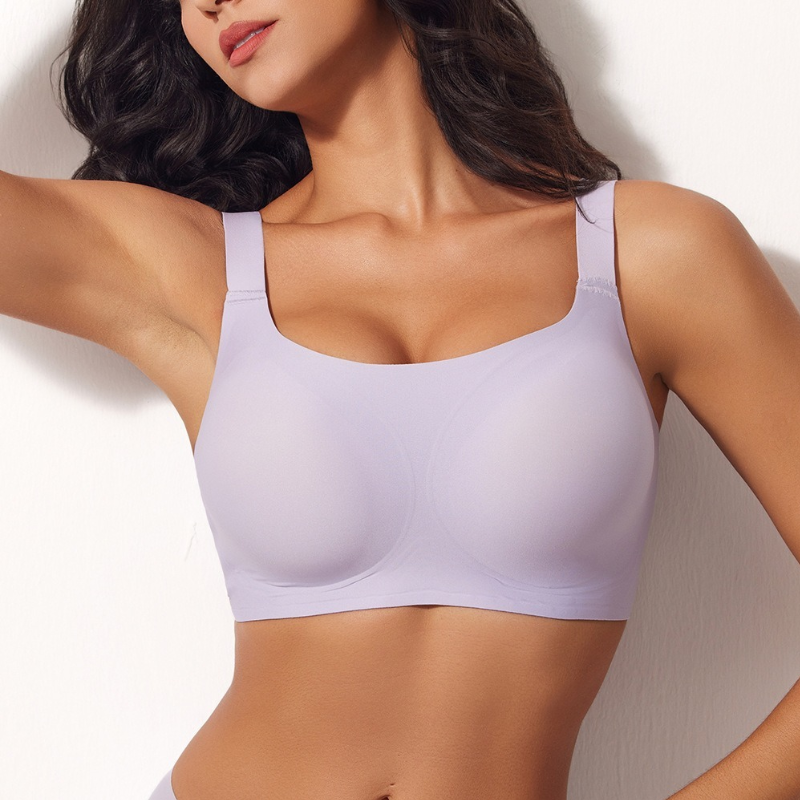
When it comes to finding the perfect bra, we’re often faced with endless options—push-up, wireless, full-coverage, and more. But one key distinction that often flies under the radar is the difference between a bonding bra and a sewn bra. You might have heard the term “sewn bra” thrown around, but how does it stack up against the everyday bras we know and love? Today, we’re breaking down the key comparisons, highlighting their unique perks, and helping you figure out which one deserves a spot in your lingerie drawer.
First Things First: What’s a Bonding Bra vs. a Sewn Bra?
Let’s start with the basics to avoid any confusion. A Bonding bra (often referred to as a “cut-and-sew” or “molded bra” in some contexts, but we’ll keep it simple here) is the standard style most of us wear daily. It’s typically made by cutting fabric pieces—like the cups, band, and straps—and assembling them with basic stitching, often using machines for speed and efficiency. These bras come in all shapes and sizes, from lacy demi-cups to sports bras, and are designed for accessibility and affordability.
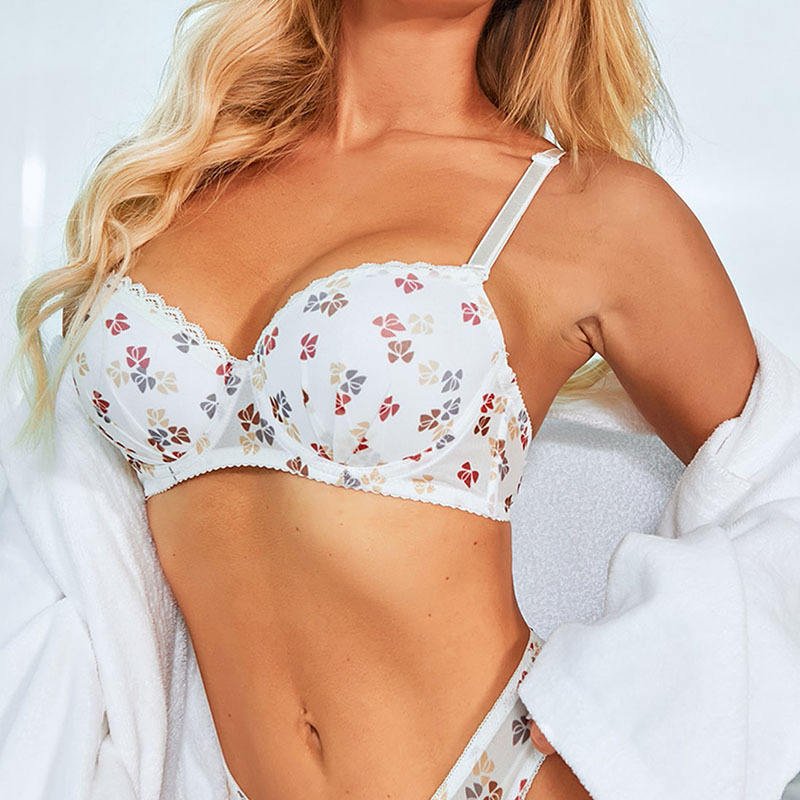
A sewn bra, on the other hand, takes craftsmanship to the next level. Also called a “hand-sewn bra” or “artisanal sewn bra,” it’s constructed with meticulous stitching—sometimes entirely by hand, or with a combination of machine and hand sewing. The key here is precision: every seam, dart, and stitch is intentional, with extra attention paid to how the fabric lays against the skin, how the cups hold shape, and how the band supports without digging in. Sewn bras are often associated with higher quality, luxury lingerie, but they’re not just for special occasions—many are designed for everyday wear, too.

The Ultimate Comparison: Bonding Bra vs. Sewn Bra
To help you see the differences clearly, let’s break down the most important factors—craftsmanship, comfort, fit, durability, style, and value—and how each bra type measures up.
1. Craftsmanship & Attention to Detail
Bonding Bra: Mass-produced bonding bras prioritize efficiency. The stitching is functional but often minimal—think straight seams that hold the pieces together, but not much more. Details like lace trim or decorative stitching are usually added as an afterthought, and there’s less focus on refining small details (like smoothing out seam allowances or reinforcing high-tension areas).
Sewn Bra: This is where sewn bras shine. Craftsmanship is at the core—sewers take the time to finish seams neatly (no scratchy raw edges!), reinforce straps and band closures, and tailor the cups to follow the natural curve of the breast. Hand-sewn details (like invisible stitching or hand-tacked lace) are common, making the bra feel more like a custom piece than a mass-produced item. Even machine-sewn sewn bras have far more precise stitching than regular bras, with every detail designed to enhance both function and comfort.
2. Comfort & Wearability
Bonding Bra: Comfort varies widely with regular bras. Some budget-friendly styles can feel scratchy from rough seams, or the cups might be stiff (especially molded underwire styles) and dig into the skin after hours of wear. The band might stretch out quickly, leading to slipping or tightness, and straps can leave indentations if they’re not properly reinforced.
Sewn Bra: Comfort is non-negotiable with sewn bras. The neat, finished seams eliminate scratchiness, and the fabric is often chosen for its softness and breathability (think high-quality cotton, silk, or microfiber). The cups are tailored to fit the breast’s natural shape, so there’s no gaping, pinching, or flattening—they hug the body without feeling restrictive. The band is reinforced with extra stitching, so it stays supportive without digging in, and straps are often wider or padded for added comfort, even on days when you’re wearing the bra from morning to night.
3. Fit & Support
Bonding Bra: Regular bras are made to fit standard size ranges, which means they might not accommodate unique body shapes (like uneven breast sizes, fullness at the top or bottom, or a narrow/wide band). Molded cups can be rigid, so they don’t adjust to your natural shape, and underwires might pop out or dig into the ribcage over time. Support is often basic—enough for everyday wear, but not always ideal for larger busts or active days.
Sewn Bra: Fit and support are where sewn bras truly stand out. Because of the precise craftsmanship, sewn bras are often available in more detailed size ranges (including half-cups, full-cups, and custom sizes) to fit every body type. The cups are shaped to contour to your breasts, providing targeted support—whether you need lift, full coverage, or a natural shape. Underwires (if used) are encased in soft fabric and tailored to follow the underbust curve, so they don’t dig or pop out. The reinforced band and straps distribute weight evenly, reducing strain on the shoulders and back—making sewn bras a game-changer for larger busts (D cups and above) who struggle with support in regular bras.
4. Durability & Longevity
Bonding Bra: Regular bras are designed for affordability, which often means lower-quality materials and stitching. The band stretches out quickly (especially if it’s made with cheap elastic), straps fray, and seams can come undone after a few washes. Most regular bras last 3–6 months with regular wear before they start to lose shape and support.
Sewn Bra: Sewn bras are built to last. The high-quality materials (think thick, durable elastic, premium fabrics, and strong thread) and reinforced stitching mean they hold their shape wash after wash. The seams don’t fray, the band stays supportive, and the cups retain their contour—even after years of wear. A well-made sewn bra can last 1–2 years (or longer!) with proper care, making it a better long-term investment than a regular bra that needs frequent replacing.
5. Style & Versatility
Bonding Bra: Regular bras win when it comes to variety and affordability. You can find them in every style—lace, satin, sports, push-up, wireless—and at every price point. They’re perfect for everyday wear, special occasions, or pairing with specific outfits (like a strapless dress or low-back top). The downside? Many regular bras sacrifice style for function, with basic designs that don’t feel very luxurious.
Sewn Bra: Sewn bras are often more stylish and luxurious, thanks to their attention to detail. Hand-sewn lace, delicate embroidery, and smooth, seamless finishes make them feel like a treat to wear—even if no one else sees them. They’re available in classic styles (like full-coverage, balconette, and wireless) that never go out of fashion, and their tailored fit means they look sleek under clothing (no lumps or bumps from poorly placed seams!). While they might not have the same variety as regular bras, the styles they do come in are timeless and versatile.
6. Value & Price
Bonding Bra: Regular bras are more affordable upfront—you can find basic styles for $10–$30, and even higher-quality regular bras usually top out at $50–$70. This makes them a great option if you’re on a budget or need to stock up on everyday bras quickly. The downside is that they need to be replaced more often, so over time, they might end up costing more than a sewn bra.
Sewn Bra: Sewn bras are more expensive upfront—most range from $80–$200 (or more for custom hand-sewn styles). This is because of the high-quality materials and labor-intensive craftsmanship. But when you factor in their longevity (1–2 years vs. 3–6 months for a regular bra), they’re actually a better value in the long run. They also save you money on replacements, and their superior comfort and support mean you’ll wear them more often—so you get more use out of each bra.
So, Which One Should You Choose?
There’s no “one-size-fits-all” answer here—it depends on your needs, budget, and priorities. Here’s a quick guide to help you decide:
Choose a Bonding Bra If: You’re on a budget, need a variety of styles for different outfits, or don’t mind replacing your bras every few months. Regular bras are perfect for everyday wear, especially if you have a smaller bust (A–C cups) that doesn’t need heavy support.
Choose a Sewn Bra If: Comfort, fit, and durability are your top priorities. Sewn bras are ideal for larger busts (D cups and above) that need targeted support, anyone who hates scratchy seams or ill-fitting cups, or anyone who wants to invest in high-quality lingerie that lasts. They’re also great if you prefer classic, luxurious styles that feel special.